
SDVOSB
CAGE 8ZK73
NDAs Available
Reply In 1 Business Day
The Problem
Most engineering is bought as a cost to keep low. As an engineering firm, we see it every week. A buyer picks the cheapest hourly rate, gets a drawing or a report, and moves on. Then the design reaches tooling, a test fails, and the program pays again for the fix.
Those costs never show on the engineering invoice. They show up in tooling changes, extra prototypes, rework after release, and field failures. And they repeat on every unit you build. Cheap engineering is the most expensive kind.
The PPS Approach
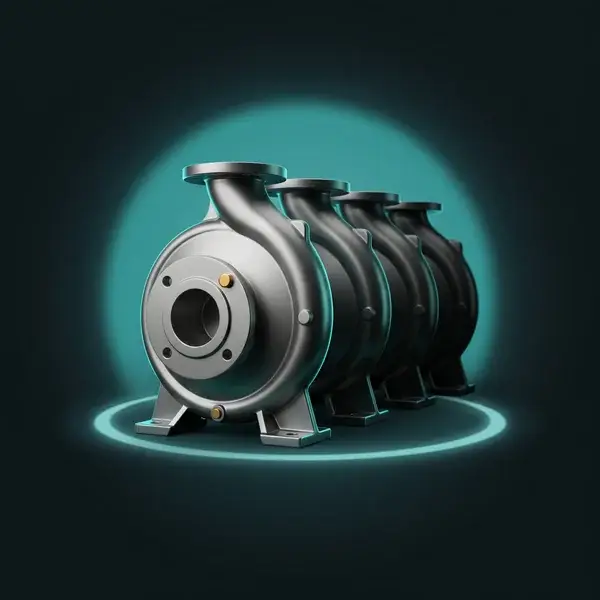
Think of a reusable rocket: pay more for engineering once, and every launch after costs less. We work the same way. Engineer it once, remove your constraint, and stop paying for the same problem.

In One Team
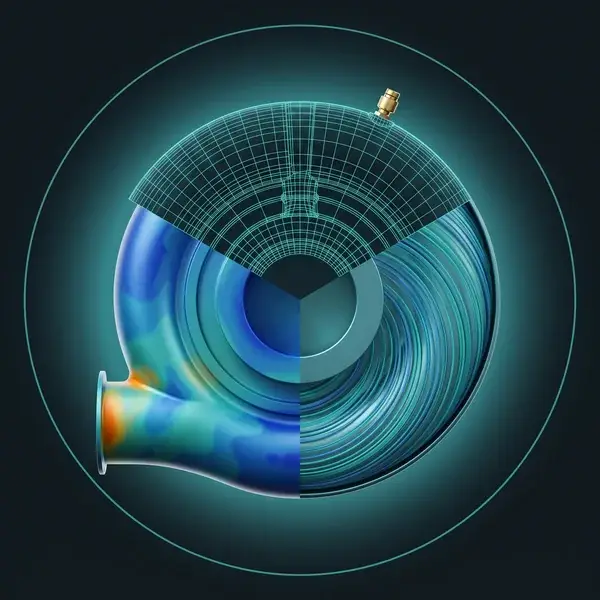
When FEA, CFD, CAD, and DFMA sit with different vendors, each one optimizes its own piece. Loads get lost between models, and drawings lag the analysis. Then you pay to close the gaps.
Disciplines
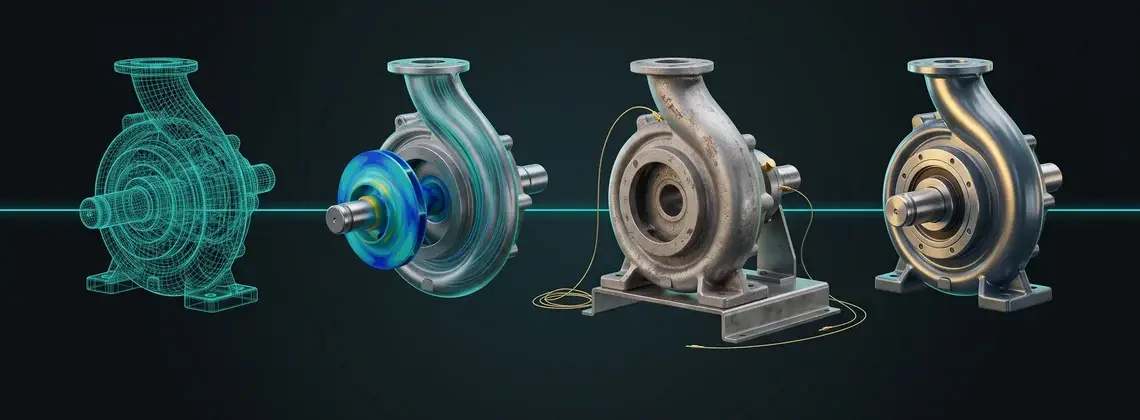
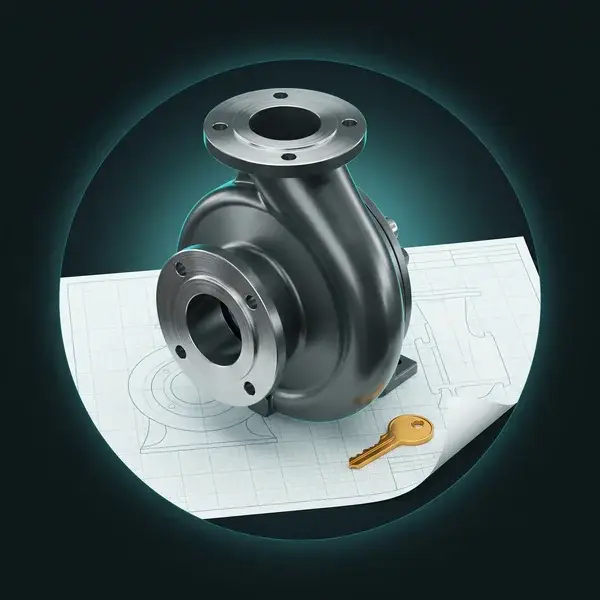
At our engineering firm, the disciplines run as one loop. A change in the CAD model is checked in FEA and CFD, costed in DFMA, and tested when the design needs it. See all of our engineering services.
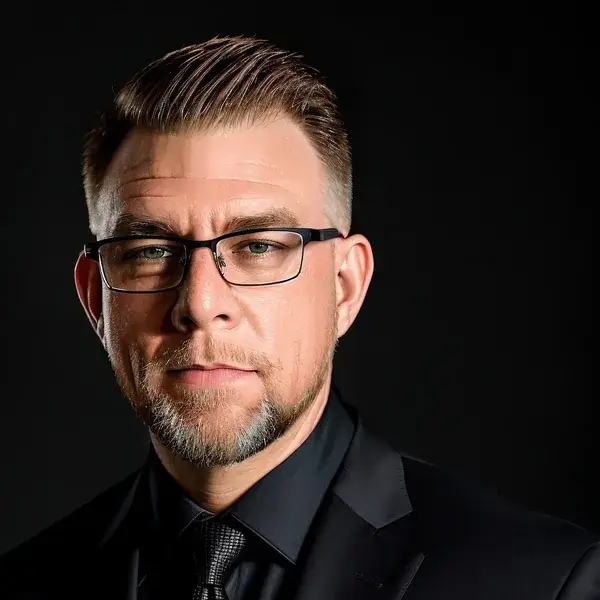
Co-Founder & Chairman, CEO
USMC veteran and aerospace stress engineer on flight-critical aerospace and defense programs, with 20+ years across aerospace, defense, and industry. Inventor on two U.S. patents for ethylene oxide recovery technology.
USMC Veteran
M.Eng.
Stress & FEA
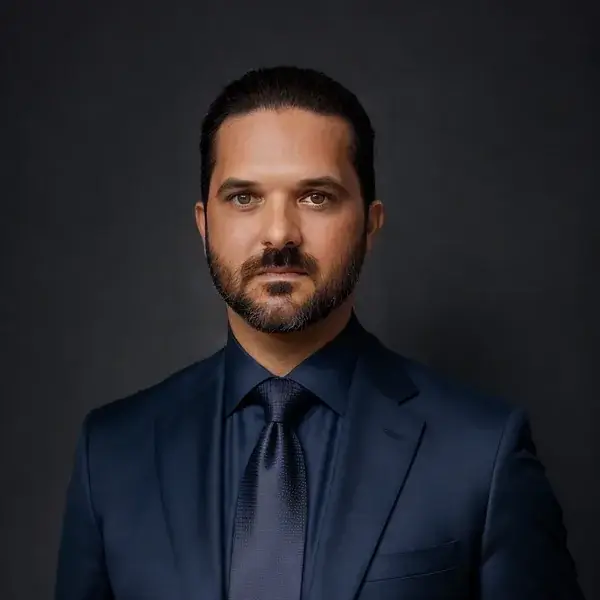
Co-Founder & CTO
Iraq veteran and licensed Professional Engineer (PE) with an MEng and an MBA. He leads the tools, methods, and design QC our engineers use from assessment to delivery.
PE
Design QC
Methods
01
If we agreed to resolve an issue, we fix it. The work is not done until it is solved.
02
If we missed something in our design QC, we fix it. That is on us, not on your budget.
03
Your supplier can't make the part, or it can't be bought, within three years of delivery? We fix that too. The same goes for global supply-chain gaps.
04
Test failures are part of hard engineering. You approve the data at each gate, and every failure removes an unknown.
As an engineering firm, we guarantee our work, not savings, test results, or dates. We bring the best engineering our skills and tools allow, and we keep working until what we agreed to is solved.
Facts about how we work, not project results. One team engineers your product from analysis to delivery, and calculations carry a PE stamp where required.
Federal buyers can use SDVOSB set-asides where they apply, a simpler path to award engineering work to us.
A set-aside path for you.
Credential
SDVOSB
VOSB
Active in SAM.gov with a CAGE code and UEI, so adding us as a new supplier takes less paperwork for you.
Faster supplier setup.
Credential
CAGE 8ZK73
F99ZZK5LW6P5
Two granted U.S. patents for ethylene oxide recovery, a process still in development. Proof we know EtO.
Proof for EtO programs.
Credential
Granted
EtO Recovery
Listed under NAICS 541330, Engineering Services, so our work fits the contract vehicles your team already has.
Ready for your contract.
Credential
NAICS 541330
SAM.gov
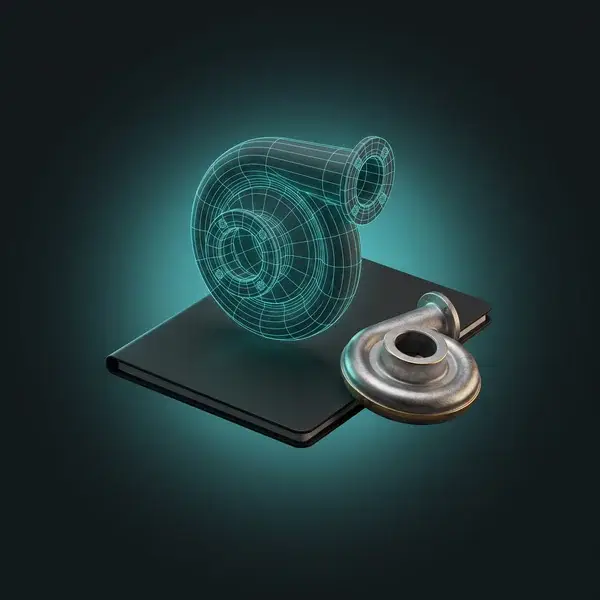

Every loop you fund in test is margin lost. Get a free roadmap.
Get Your Free RoadmapOur engineering firm works best with clients who want a long-term partner and a constraint worth solving properly. Start with one project, a steady monthly rhythm, or a team embedded in your program. We price to the value we deliver, not the hours we log. If the value isn't there for you, we'll say so in the assessment. See why clients choose PPS.
Fixed scope for one project. A lower-risk place to start when you want to see our work on your data.
Start with one project.
Fits When
One Project
Fixed Scope
From $35K
A dedicated PPS team working your program daily, built for long, multi-year development and testing.
Your program, every day.
Fits When
Daily Work
Multi-Year
From $800K/yr
Chosen by the work you have, not a ladder. Some clients start with Diamond.
Who actually does the engineering work?
At PPS, the engineering firm you hire is the team that does the work. Many consultancies sell the project with a senior name on the proposal, then pass the analysis to a subcontractor you never meet. Questions slow down, and context gets lost between handoffs. Nobody owns the whole design. When the person who built the model is not the person who answers your questions, small errors travel and grow. Loads get lost between models, and drawings lag the analysis. Licensure exists for a reason: NCEES ties the PE license to education, experience, and exams. You should know who is doing the work.
PPS engineers run FEA, CFD, CAD, and DFMA in-house, with testing in-house, at a managed lab, or at your facility. Every design goes through our design QC. The same engineers who built the model read the results, and you can talk to them at every gate. If we bring in a specialist lab, we tell you first and stay accountable. Our engineering services page lists each discipline.
Can you onboard as a supplier on a federal or defense contract?
Yes. As an engineering firm, PPS is already set up to work as a supplier on federal and defense programs. Pure Prime Solutions, Inc. (PPS) is certified by the U.S. Small Business Administration as a Service-Disabled Veteran-Owned Small Business (SDVOSB). Federal buyers can verify it today. Adding a new supplier often stalls on paperwork: registration checks, identifiers, and forms that take weeks to chase. Prime contractors with subcontracting plans can count SDVOSB subcontracts toward their small business subcontracting goals (FAR 19.704). Agencies can also use the SBA veteran contracting programs where they apply. Whether a set-aside fits your contract is your contracting officer's decision.
Our records are in SAM.gov and the SBA certification search, so your contracts team can confirm them quickly. Our CAGE code is 8ZK73, our UEI is F99ZZK5LW6P5, and our primary NAICS code is 541330, Engineering Services. We sign mutual NDAs before any data is shared and set up export-control handling when needed. Send your supplier forms with your data, and we reply within one business day.
Where are you based, and do you work on-site?
PPS is a Louisville engineering consulting firm in Kentucky, and we work with clients across the United States. Distance used to mean slow reviews and costly trips just to look at a model or a part. Many buyers still assume a local engineering firm is the safer, simpler choice. But a local firm without the right disciplines still hands work off, and that costs more than distance. Remote work also raises a fair question about your data. Federal programs often point to NIST SP 800-171 for protecting controlled information outside government systems. Your program data deserves that same kind of care.
Most of our programs run on data. You send it, and the free assessment reviews your project scope. You approve results at each gate in online reviews with the engineers doing the work. Data handling is set to your program's own rules. When a program needs eyes on the hardware, we come to you; travel is quoted separately. Call 502-890-9800 or email innovation@pureprimesol.com, and we reply within one business day.
Who owns the design and the models?
From every project with our engineering firm, you own the IP by default, set in your contract. Some firms keep the models or license them back. Then every later change sends you back to them. That locks your product to one vendor and hides the evidence behind each decision. When a vendor holds the models, your team can't open the files to check the work, rerun a load case, or brief a supplier. Design reviews slow down. Export rules add more risk. Defense programs must follow the State Department ITAR rules, and loose data handling can stall a program for months, or longer.
At PPS, the IP transfers with the solution, and nothing is held back to tie you to us. You receive the native CAD, the drawings, the simulation files, and the documented results. We sign mutual NDAs before any data is shared. Your files stay in our controlled project folders. Tell us your export-control or customer data rules at the start, and we set up data handling to match.
What happens if a prototype fails in test?
If a prototype fails in test, our engineering firm finds out why and then fixes the design. Hard engineering carries unknowns. Real loads, material lots, and assembly effects never match a model perfectly. So a test failure is not a surprise to hide. It is data to learn from. Without that view, a failed test turns into a dispute. Nobody knows which assumption was wrong: a load, a material property, or a boundary condition. The vendor bills another loop, and the next prototype repeats the guess. Each blind loop costs weeks, budget, and trust in the model, and your launch date absorbs it.
You approve the data at each gate, so test results are checked against predictions you have already seen. When testing is in scope, we plan the test around the margins that matter most. We correlate the model to the results, following ASME verification and validation practice. If the miss was ours, we fix it. If the test finds a new condition, we scope the change with you.