
The design is close to release and supplier quotes are high. Cut parts and cost before the tooling is bought.
Start With DFMA GuideRather have us do it? Design for manufacturing services
You're not sure the design will survive its loads, or whether you need another prototype before you build.
Start With SimulationRather have us do it? FEA services · CFD consulting services
Product launch delayed by engineering? Set what each gate must prove, then decide with data, not momentum.
Start With Stage-GateRather have us do it? Product development services
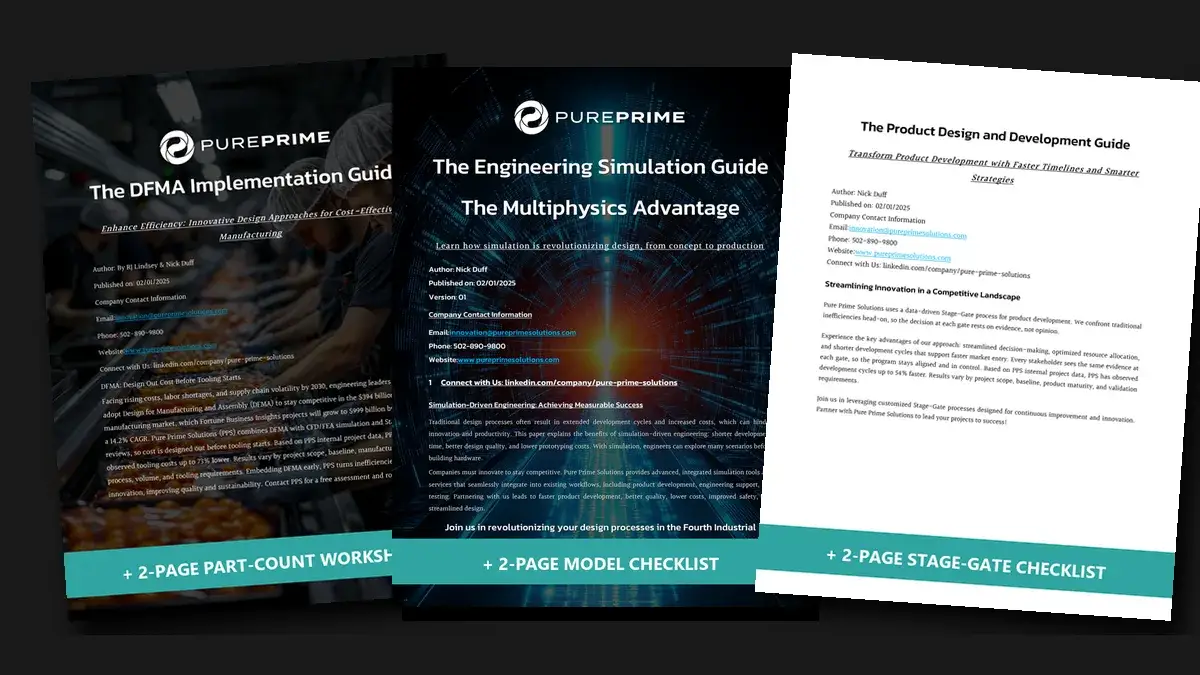
Use the Stage-Gate Checklist to set what each gate must prove, then run a data-driven process to launch.
Checklist + 11-page guide
Covers
Stage-Gate
Gates
Launch
Run the 12-point model checklist, then use FEA, CFD and multiphysics to test a design before you build it.
Checklist + 26-page guide
Covers
FEA
CFD
Multiphysics
Score one assembly with the Part-Count Worksheet, then cut parts, simplify geometry and lower unit cost.
Worksheet + 22-page guide
Covers
DFMA
Part Count
Unit Cost
Public benchmark · IEEE Spectrum, 1995
65%
Fewer Change Errors
+15%
Better Than Target
On the first airliner designed entirely on computer, digital pre-assembly eliminated 65% of change errors and rework, beating its target by 15% (IEEE Spectrum, 1995).
Trade-press report. Digital design and virtual pre-assembly, not FEA; FEA and CFD apply the same principle to stress, heat and flow. Source: IEEE Spectrum, 1995. Not a PPS result.
Public benchmark · NASA, 2004
3–8x
In Design
21–78x
In Integration And Test
A NASA study found that a requirements error fixed during design costs 3 to 8 times as much as one fixed during requirements, and 21 to 78 times in integration and test (NASA, 2004).
Agency study of NASA and industry systems data. Baseline: the cost of fixing the same error during requirements. Source: NASA JSC, 2004. Not a PPS result.
Pressure Vessel · Industrial Client
15%
Thinner Wall
0
Code Margin Lost
Elastic-plastic analysis to ASME BPVC Section VIII, Division 2
See Nonlinear Analysis FEAPure Prime Solutions (PPS) uses a Stage-Gate-based product-development process and can combine DFMA, FEA, and CFD within a turnkey engineering engagement managed through a single point of contact. The public record shows what the method can do. What it does for you depends on your constraint, and the assessment tells you.
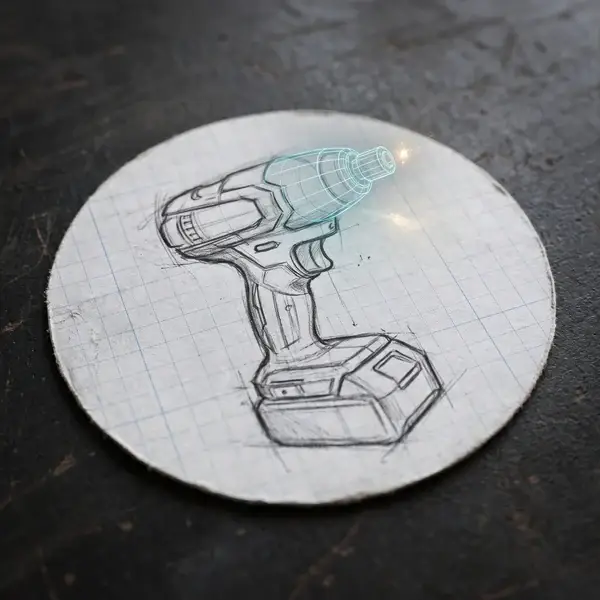
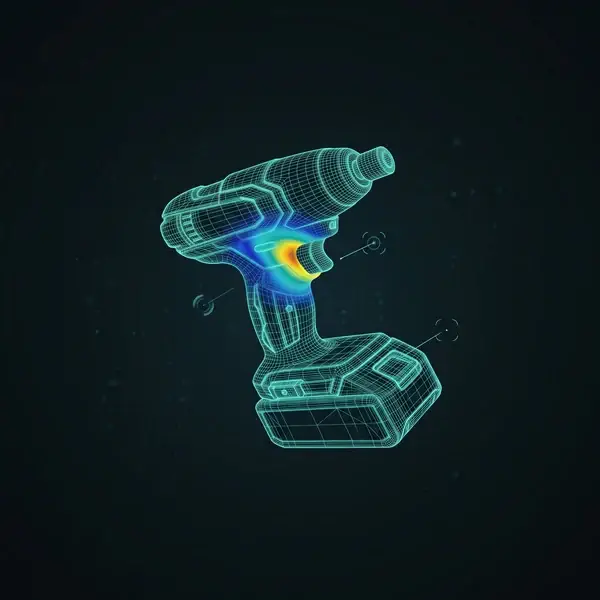
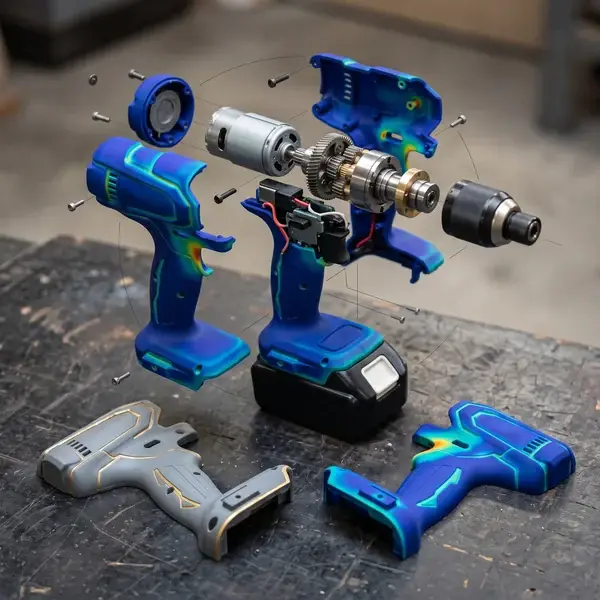
Which New Product Development Guide Should I Read First?
Most readers come to our new product development guides with one decision in front of them. The design may be close to release with high quotes. You may doubt it will survive its loads. Or the program itself keeps slipping, and nobody agrees on what the next gate should prove.
Reading the wrong guide first costs time you may not have. Each guide solves a different problem, so the order matters. A program that slips rarely fixes itself. NASA's program life cycle treats each phase boundary as a natural point for a clear go or no-go decision, and so should yours.
If quotes are high, start with the DFMA Implementation Guide. If you doubt a design will hold, read the Engineering Simulation Guide. If the program slips, read the Product Design and Development Guide. The methods connect: simulation and DFMA data feed the gates, and the gates decide when the design is ready to build. Unsure which applies? Describe your program on our contact page. We reply within one business day.
What Happens After I Download A Product Development Guide?
When you request a new product development guide, we email the PDF to the address you enter right away. Check your spam folder if it doesn't arrive within a few minutes. That is all that happens. There is no sales call and no follow-up sequence unless you ask for one.
Many free downloads come with a catch: a call you didn't ask for, weeks of sales emails. US law sets a floor. The FTC says the CAN-SPAM Act requires senders to offer a way to opt out. We add you to our article emails only if you tick that box on the form, and you can unsubscribe in one click.
Our Privacy Policy explains how we use your details. If the guide raises a question about your design, reply to the email or use the contact page. Send the drawings or models you can share. We sign a mutual NDA with you before you share any data. We reply within one business day. The first step is a free assessment that ends with a roadmap.
How Does PPS Run Product Development On Client Programs?
On client programs, we run new product development in five steps: assess, roadmap, engineer, deliver and support. Most programs that slip lack this structure. Work starts before the problem is written down, reviews pass on hope instead of data, and the data a gate needs arrives after the gate.
Each late fix costs much more than the one before. A NASA study of error costs found the price of a fix climbs at every later phase of a program. By the time a problem shows up in test, the tooling may already be bought and the launch date promised to your customers.
After the free assessment and roadmap, our engineers design, analyze and prototype, and you approve each gate. We guarantee our work, not savings, test results or dates. If we agreed to resolve an issue, we fix it. If we missed something in our design QC, we fix it. If your supplier can't make the part, or it can't be bought, within three years of delivery, we fix that too.