
Home › Insights › Environmental Sustainability

Most Of A Product's Footprint Is Locked In At The Drawing

Life Cycle Assessment And Sustainable Engineering Insights From PPS

How to cut material, energy, and emissions while the design can still change

Get each new sustainable engineering article from our team by email.

Insights

Life Cycle Assessment Insights For Design Engineers

Find Material, Energy, And Emissions Savings Before The Design Freezes

These articles show how LCA and sustainable design work on real engineering projects. We look at where a product’s material, energy, and emissions impact comes from. We show which design choices change it most. And we cover how emissions control and capture equipment is engineered. Each one starts from an engineering decision, not a slogan.

PPS engineers write these sustainability insights from design and equipment work we do. Use them to scope a life cycle study, to compare design options on more than cost, or to prepare for a customer’s sustainability questions. When a compliance deadline is close, have the equipment design checked early.

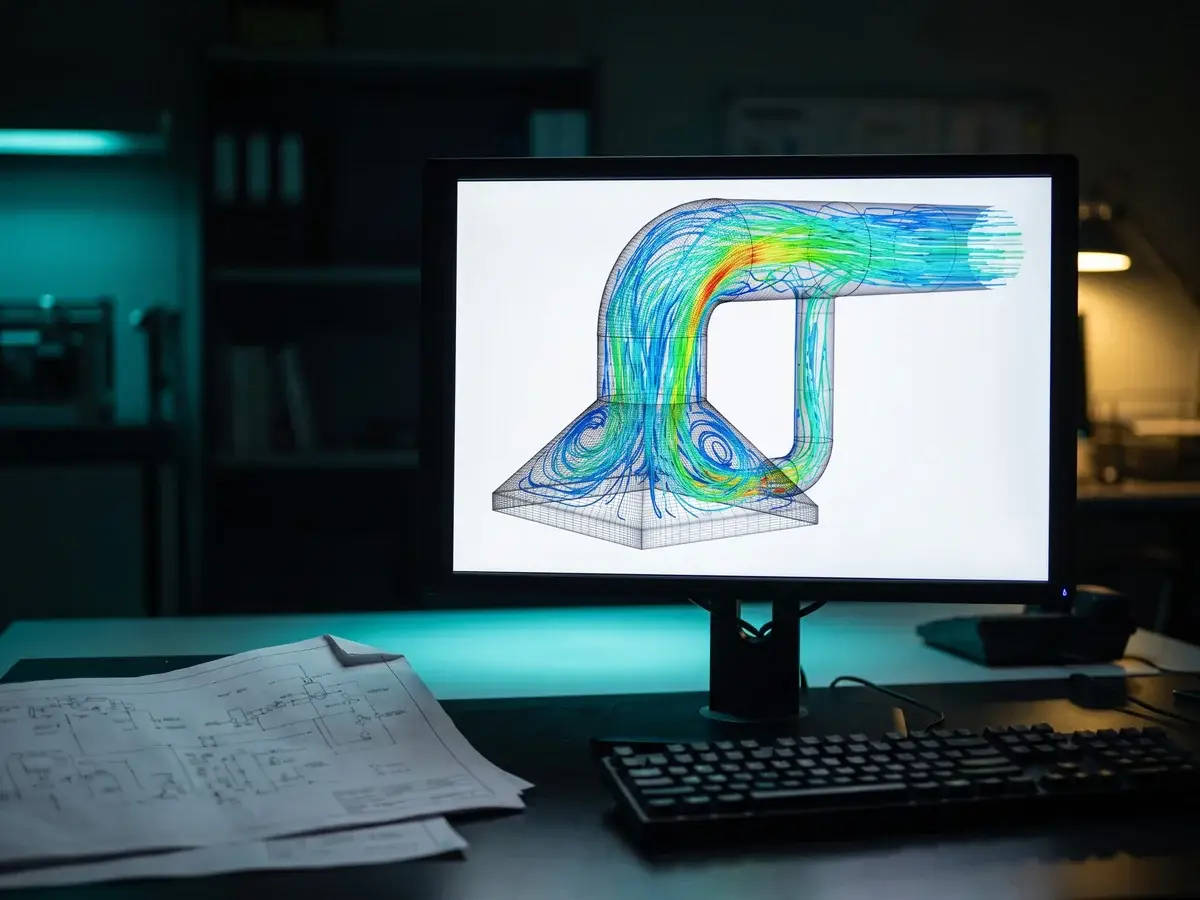
Sustainability insights in practice: a CFD model of airflow through an emissions capture hood and duct to size equipment

One design moves through all seven topics. Simulation checks it, best practices shape it, and methodology proves the model matches the part. Manufacturing and sustainability set its cost and footprint. Leadership and project management keep each decision on time.

Start Here

Start Here With Our Core Life Cycle Assessment Article

Read One Core Article First, Then Go Deeper On Each Topic

How We Work

How Our Engineers Approach Life Cycle Assessment

Sustainable Design Steps We Use On Client Work, And You Can Too

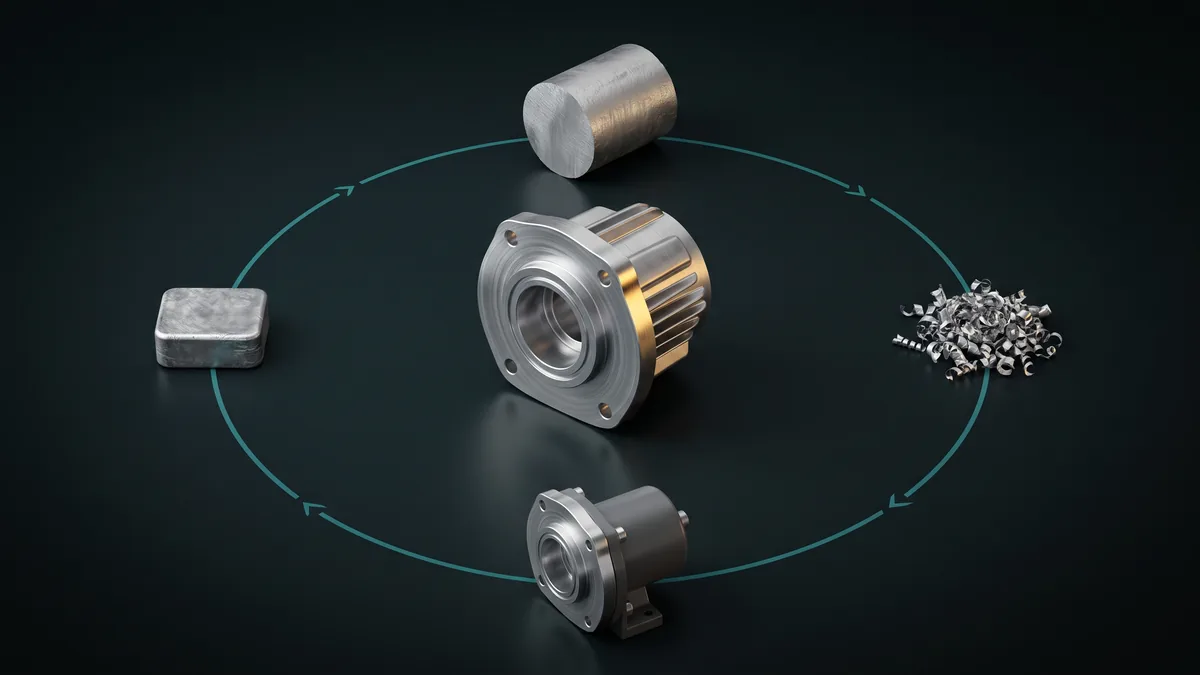
A machined aluminum part ringed by its life cycle stages, from raw billet to recycled scrap, in a life cycle assessment study
01

Start With One Product Question

A useful LCA starts with one product and one question. Compare two materials, two suppliers, or the current design against a redesign. A narrow question gives an answer your team can act on.

02

Map The Stages That Matter

We map raw material, manufacturing, use, and end of life for that product. Then we gather the data you already have: bill of materials, part weights, process energy, and scrap rates.

03

Find The Few Drivers That Matter

In most engineered products, a few parts and processes drive most of the impact. A screening study finds them, so effort goes where it changes the result.

04

Redesign, Then Measure It Again

Design changes are checked in analysis before anything is cut. Then the impact is measured again, so the savings are real and the part still meets its loads and life.

Standards behind these articles: ISO 14040 (LCA principles and framework), ISO 14044 (LCA requirements and guidelines), and the EPA ethylene oxide standards for sterilization facilities.

Latest Articles

Latest Life Cycle Assessment Articles From PPS

Material, Energy, Emissions, And Equipment Design For Engineers

Sustainable Design Articles

EtO Sterilization Articles

Air Pollution Control Articles

Our first sustainability articles publish soon. Sign up below to get each one by email.
Engineering Insights

Get New Life Cycle Assessment Articles By Email

Sustainability Insights From Our Team, Sent When An Article Publishes

  • New articles when they publish
  • Written by our engineers
  • Unsubscribe in one click
Put It To Work

Sustainable Design Services Behind Life Cycle Assessment

When You Need The Design, Not The Article, Our Engineers Deliver It

Sustainable Design

Design out material, energy, and waste early, when the change costs least and lasts for the product's life.

Less waste by design.

Covers

Material

Energy

Waste

Explore Eco Design

Emissions & Capture CFD

Model emissions, dispersion, and capture systems, so compliance equipment is sized right before you buy it.

Size it right first.

Covers

Emissions

Dispersion

Capture

Explore Emissions CFD

EtO Chamber Engineering

Equipment engineering and project management for sterilization facilities, from chamber design to install.

Engineer the chamber.

Covers

Chambers

ASME VIII

Install

See EtO Chamber Work
Where It Applies

Life Cycle Assessment Across The Industries We Serve

See How The Same Methods Apply To Your Industry's Hardest Problems

EtO Sterilization

New sterilizer chambers take long lead times and must fit validated processes.

Engineer the chamber.

Applications

Chambers

ASME VIII

Vacuum

Explore EtO Sterilization

Air Pollution Control

Oversized dust collectors waste capital on compliance equipment you don't need.

Right-size the system.

Applications

Ductwork CFD

NESHAP

Right-Size

Explore Air Quality

Cement & Materials

Outdated kiln designs waste fuel and limit the use of alternative fuels.

Cut fuel waste in kilns.

Applications

Kiln CFD

Clinker

Alt Fuel

Explore Cement

Power Generation

Promised energy savings disappear when models miss real operating data.

Validate energy savings.

Applications

Turbine CFD

Heat Recovery

Plant FEA

Explore Power
Free Checklist

Get The Life Cycle Assessment Starter Worksheet

The Product Data To Gather First For An LCA

FAQ

Life Cycle Assessment Questions Readers Ask Us

Short Answers On Our Articles, Our Engineers, And Getting Help

Who Writes These Articles, And Where Do The Methods Come From?

Engineers write every life cycle assessment article on this page. The people who run PPS projects write about problems they see in real designs. They cover what went wrong, how they checked it, and what they would do next time. The articles teach methods, not sales pitches.

Claims from people who have never designed a part are easy to find and hard to trust. So each post names its author and shows when it was last updated. Nick Duff, Co-Founder & Chairman, CEO, is an aerospace stress engineer on flight-critical aerospace and defense programs. Tom Cushing, Co-Founder & CTO, is a licensed Professional Engineer (PE).

Tom leads the tools, methods, and design QC our engineers use from assessment to delivery. PPS engineers run FEA, CFD, CAD, and DFMA in-house. Every design goes through that QC, and the articles follow the same methods. You can read their full backgrounds on our About page. If something in an article does not match your own project, tell us and we will check. We reply within one business day.

Can I Use The Methods In These Articles On My Own Designs?

Yes. Each life cycle assessment article explains the method step by step, so you can apply it to your own design today. It covers what to set up, what to check, and what a good result looks like. We write for practicing engineers and the managers who lead them.

There is a limit, though. An article cannot see your loads, materials, suppliers, or drawings. The same method can mislead you when the inputs are off. Even NIST's BEES tool, built on the ISO 14040 approach, is only as good as the product data behind it. When a design decision depends on the answer, get a second look.

Use the articles to scope a study, compare two designs, or answer a customer's question. Bring the hard calls to us. That is what our free assessment is for. You send the data, and an engineer who can see the whole problem reviews your project scope. You get a roadmap that shows what we would check, change, or test next, and why. We reply within one business day.

Where should an engineering team start an LCA for manufactured products?

Start a life cycle assessment with one product and one question, not the whole company at once. Pick a product that sells in volume, or one a customer is asking about. Then decide what to compare: two materials, two suppliers, or the current design against a redesign.

A study that tries to cover everything stalls in data gathering and answers nothing. The EPA's life cycle view spans every stage, from raw materials and manufacturing to use and end of life. That is a lot of data. So the scope has to be narrow enough for your team to act on the result.

Map those stages for the one product, using data you already have: the bill of materials, part weights, process energy, and scrap rates. In most engineered products, a few parts and processes drive most of the impact. A screening study finds them, so effort goes where it changes the design. If a customer is asking now, send us the product data and the question. We reply within one business day.

Customer asking about your footprint? Get a free assessment.

Most Of The Footprint Is Fixed Before The First Part Is Made

Turn Life Cycle Assessment Into A Better Design

Get The Lowest Total-Cost Design, Plus The Data And IP, From One Team

Send your CAD, data, and goals. We review your project scope in a free assessment and reply within one business day with next steps.

SDVOSB Certified
VOSB Certified
CAGE 8ZK73
NAICS 541330

On-site assessments that require travel are quoted separately.