

Home › New Product Development Guides › DFMA Implementation Guide

Most Product Cost Is Locked In Before The First Part Is Made

The DFMA Guide: Design Parts That Cost Less To Build And Assemble

11 pages on part count, redesign before relocation and design for flow

Free download, sent straight to your inbox. No sales call required.

DFMA In 5 Minutes

What DFMA Is And How To Start On Your Next Part

Three Questions Per Part Find The Parts You Can Combine Or Remove

DFMA stands for design for manufacturing and assembly. It is a way to review a design so the part costs less to make and the product takes less time to assemble. Much of a product’s cost is set in design, so a DFMA review happens before tooling is bought. Start with the bill of materials and ask three questions of every part.

01
Movement
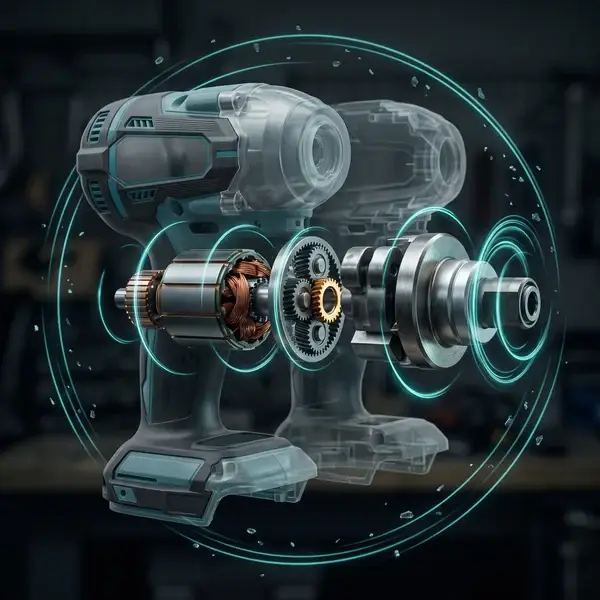
Exploded cordless driver with only the moving rotor, gears and anvil shown solid

Does it move relative to the parts already assembled?

Yes: keep it separate

02
Material
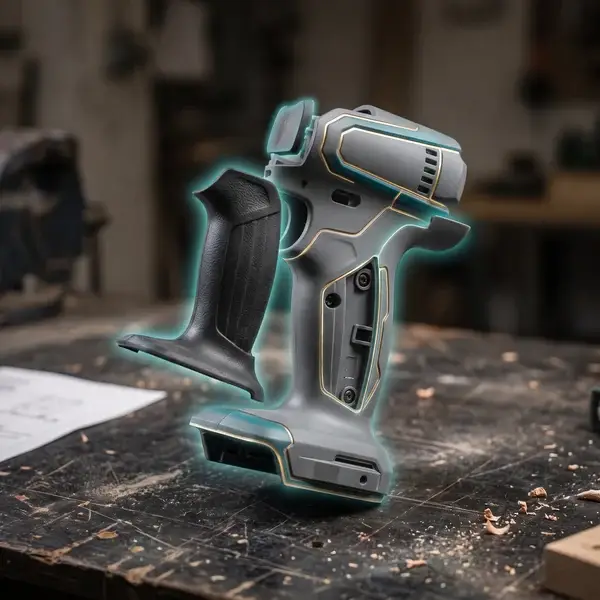
Rubber grip and insulator lifted away from a hard tool housing

Must it be a different material, or isolated from the parts around it?

Yes: keep it separate

03
Service
Battery sliding out of a cordless driver while extra screws dissolve away

Must it come apart from the others for assembly or service?

All three no: combine or remove

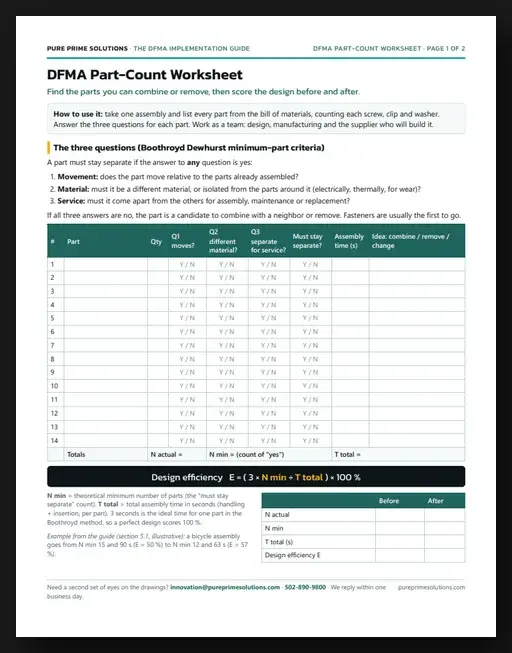
If all three answers are no, the part is a candidate to combine with a neighbor or remove. The parts that pass at least one test give the theoretical minimum. Compare it with the actual count, then review geometry, tolerances and fasteners. The free DFMA worksheet walks through each step and scores the design before and after.

What's Inside

What You Will Learn From The Free DFMA Guide PDF

Design For Manufacturing Steps You Can Apply To Your Next Part

01

Cut The Part Count

Use the DFMA minimum-part questions to find parts you can combine or remove without losing any of their function.

02

Simplify The Geometry

Remove features that need special tooling or a second setup, so suppliers can quote and build parts faster.

03

Standardize Processes

Choose standard materials, fasteners and processes that keep cost and lead time predictable as volume grows.

04

Build The Right Team

Bring design, manufacturing and suppliers together early, so cost is decided while changes are still cheap.

Free Guide

Get The Free DFMA Part-Count Worksheet And Guide

Tell Us Where To Send It, And We Email The PDF Right Away

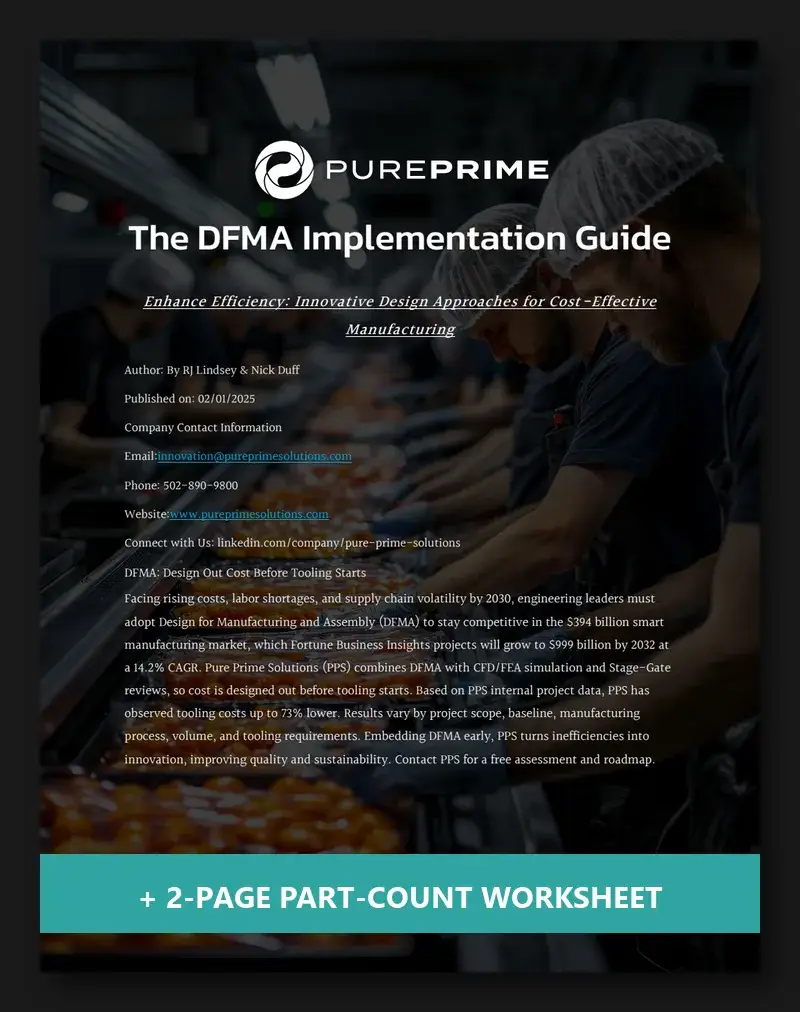
Cover of the free DFMA part-count worksheet and 22-page DFMA guide from PPS engineers, a PDF on part count and assembly cost
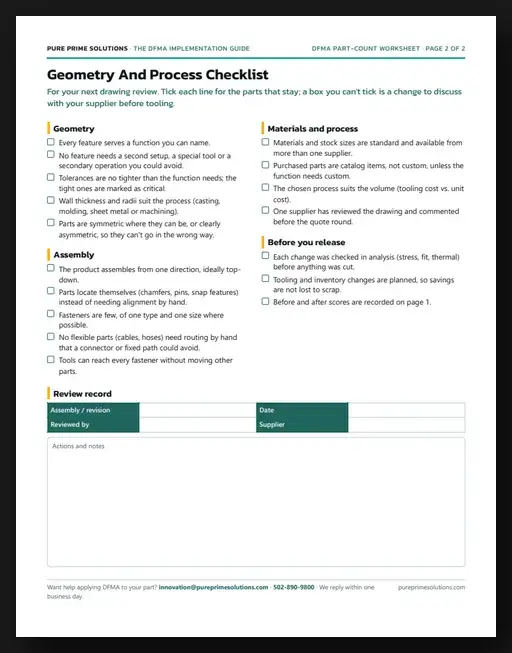
Page 1 of the free DFMA part-count worksheet: three questions per part, a parts table and the design efficiency score formulaPage 2 of the free DFMA worksheet: a geometry, assembly, materials and process checklist for your next drawing review meeting

DFMA Part-Count Worksheet + Design Is to Manufacturing What McDonald’s Is to Hamburgers
2-page worksheet + 11-page white paper · PDF · Free · Sent by email

For design, manufacturing and cost engineers and their managers · White paper: about a 16-minute read

  • A worksheet that finds the parts you can combine or remove, three questions per part
  • A design efficiency score, before and after, so you can show the gain
  • A geometry and process checklist for your next drawing review
  • The white paper: the hidden cost of one more part, design for flow, and proof the simpler part still holds
How We Work

How Our Engineers Apply DFMA On Client Projects

DFMA From First Concept To A Part Your Supplier Can Build

01
Assess
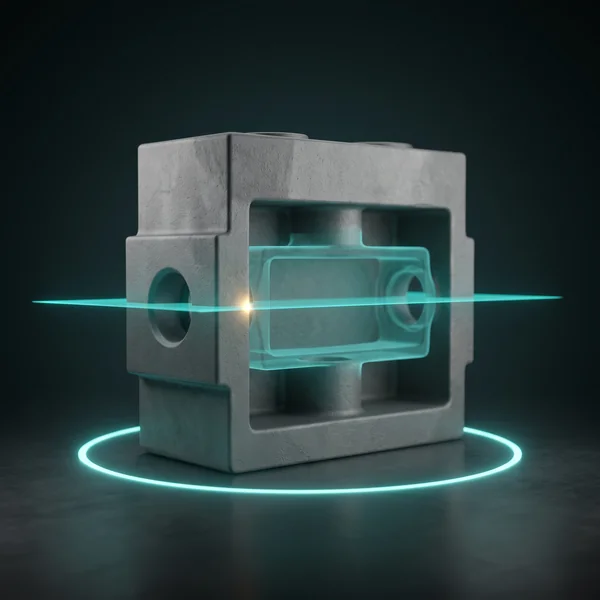
Overbuilt manifold block, a teal scan showing a leaner design inside: what a mechanical engineering consultant finds first

We review your project scope and the drawings, BOM and cost drivers you have to plan where DFMA should look first.

You get: free assessment

02
Roadmap
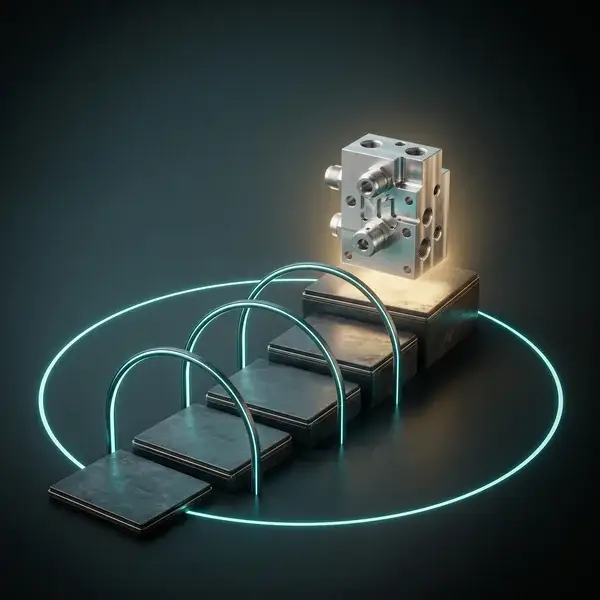
Stepping platforms with teal gates up to a finished manifold block: the roadmap a mechanical engineering consultant builds

The roadmap ranks DFMA changes by cost impact and risk, so you fund the changes that matter first.

You get: a proposal

03
Engineer
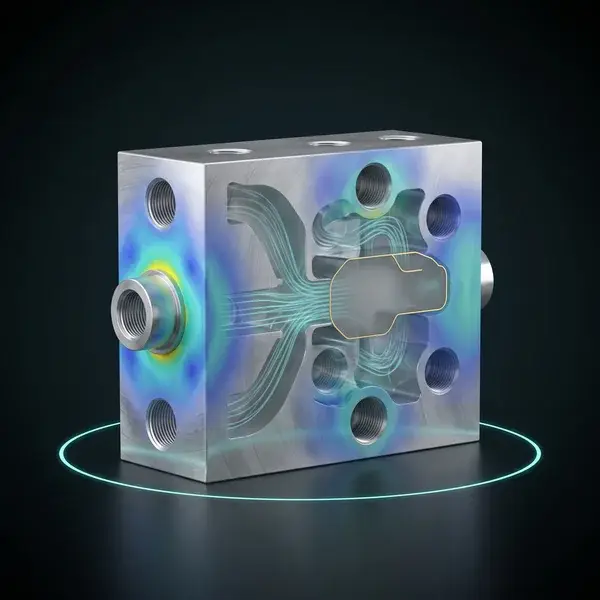
One manifold block with stress colors, flow lines, and a gold outline: a mechanical engineering consultant checking it all

We redesign the parts, check each change in FEA, and confirm it with your suppliers before anything is cut.

You get: data to approve

04
Deliver
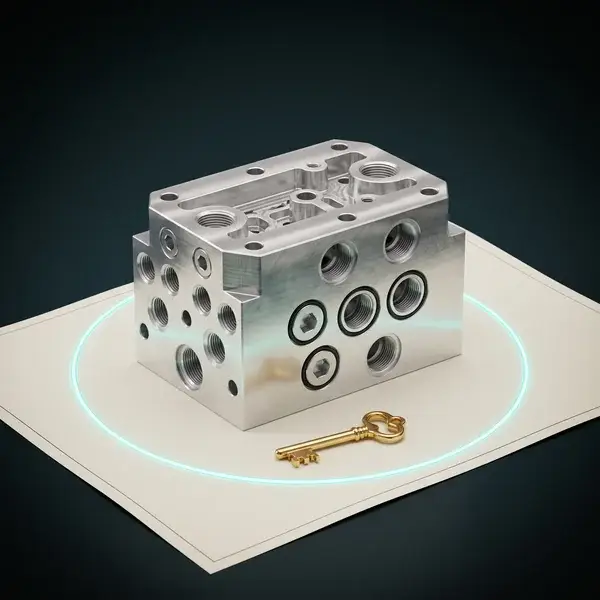
Finished manifold block on a drawing sheet with a gold key: the design and IP a mechanical engineering consultant hands over

You get the redesigned part, drawings a supplier can quote, and the analysis data behind it. The IP is yours by default, set in your contract.

You get: the design + IP

05
Support
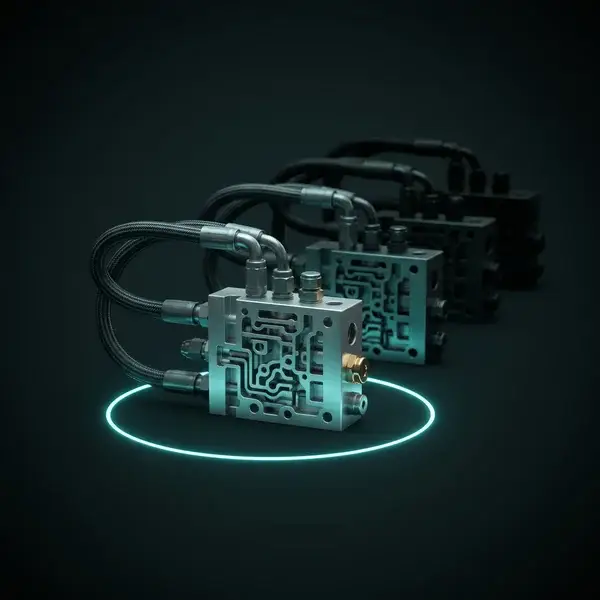
Installed manifold blocks, the front one lit in teal: a mechanical engineering consultant supporting the part in production

We stay with you through supplier questions, first articles and production changes.

You get: a team that stays

We guarantee our work, not savings, test results or dates. If we agreed to resolve an issue, we fix it. If we missed something in our design QC, we fix it. If your supplier can’t make the part, or it can’t be bought, within three years of delivery, we fix that too.

Apply this method to your own part. Send data for a free roadmap.

Get Your Free Roadmap
Proof

DFMA Proof From Published Studies And The Public Record

Published Results On Part Count And The Cost Of Late Change

Public benchmark · Boothroyd Dewhurst (vendor-reported)

Typical DFMA Part Cuts

40–85%

Fewer Parts, Published Range

38+

Case Studies

Boothroyd Dewhurst, Inc., the DFMA software developer, reports this typical range across 38+ published case studies. This is not a PPS result; your roadmap estimates your own savings.

Source: Boothroyd Dewhurst, Inc., DFMA Case Studies page

Public benchmark · NASA, 2004

Late Changes Cost More

3–8x

In Design

21–78x

In Integration And Test

A NASA study found that a requirements error fixed during design costs 3 to 8 times as much as one fixed during requirements, and 21 to 78 times in integration and test (NASA, 2004).

Agency study of NASA and industry systems data. Baseline: the cost of fixing the same error during requirements. Source: NASA JSC, 2004. Not a PPS result.

The public record shows what DFMA can do. What it does for you depends on your constraint, and the assessment tells you.

Put It To Work

Engineering Services That Apply DFMA To Your Parts

When You Want The Result, Not The Guide, Our Engineers Deliver It

Product Development

Build DFMA into a new product from the first concept, with gates, analysis and prototypes along the way.

Design it once, right.

Covers

Concept

Gates

Launch

See Product Design

Value Engineering Review

Find the features and specs that add cost without adding function, then keep the ones your customer values.

Pay only for function.

Covers

Function

Cost

Specs

Explore Value Reviews

DFMA Cost Reduction

Cut part count and assembly steps before tooling locks the cost in, with each change checked in analysis.

Fewer parts, lower cost.

Covers

Part Count

Assembly

Cost

Explore DFMA Services
FAQ

DFMA Guide Questions Engineers And Managers Ask

Short Answers On The Guide, The Method, And Getting Help

What Will I Learn From The DFMA Guide, And Who Is It For?

The DFMA guide is for design, manufacturing and cost engineers who want parts that cost less to build. Many of them know the idea but have never run a full review. They need a method they can use on a real drawing, not a theory of design for manufacturing.

Without a method, reviews turn into opinion. Parts that could be combined stay separate, and tolerances stay tighter than the function needs. The method has a long record. Its roots go back to Geoffrey Boothroyd's research at UMass Amherst, which found that designs with fewer, multifunctional parts cost less. Skipping it leaves that cost in your product.

The download opens with a two-page DFMA Part-Count Worksheet. It asks three questions of every part and scores the design before and after. The 11-page white paper shows why every part you add costs more than its price and why redesign beats relocating production. It covers designing for flow and proving the simpler part still holds. A drawing and a bill of materials are enough to start.

What Happens After I Download The DFMA Guide?

When you request the DFMA worksheet and guide, we email the PDF to the address you enter right away. Check your spam folder if it doesn't arrive within a few minutes. That is all that happens. There is no sales call and no follow-up sequence unless you ask for one.

Many free downloads come with a catch: a call you didn't ask for, weeks of sales emails. US law sets a floor. The FTC says the CAN-SPAM Act requires senders to offer a way to opt out. We add you to our article emails only if you tick that box on the form, and you can unsubscribe in one click.

Our Privacy Policy explains how we use your details. If the guide raises a question about your design, reply to the email or use the contact page. Send the drawings or models you can share. We sign a mutual NDA with you before you share any data. We reply within one business day. The first step is a free assessment that ends with a roadmap.

Where should a team start a DFMA checklist on an existing product?

Start DFMA where the cost is highest and the design is still easy to change. Pick one assembly that ships in volume or keeps causing supplier problems. Gather its drawings, bill of materials and cost breakdown. Then ask three questions of every part, using the worksheet.

Waiting makes the change cost more. Once tooling is cut and stock is built, every redesign carries scrap and requalification. A NASA study of error costs found the cost of a fix climbs at each later phase of a program. A product already in production sits near the costly end of that curve, so pick changes with care.

Parts that answer no to all three questions are candidates to combine or remove. Next, look for features that need special tooling or a second setup, and for tolerances tighter than the function needs. Check each change in analysis before anything is cut. Plan changes around tooling and inventory so savings aren't lost to scrap. Want a second set of eyes? Send us the drawings today.

Have a design question now? Get a free assessment and roadmap.

Free Assessment. No Obligation. NDAs Available.

Apply DFMA To Your Next Design Before Tooling Starts

Send Your Data, And We Send A Roadmap Built On This Method

Send your project scope and the drawings, BOM and cost targets. We review your project scope in a free assessment and reply within one business day with next steps.

SDVOSB Certified
VOSB Certified
CAGE 8ZK73
NAICS 541330

On-site assessments that require travel are quoted separately.